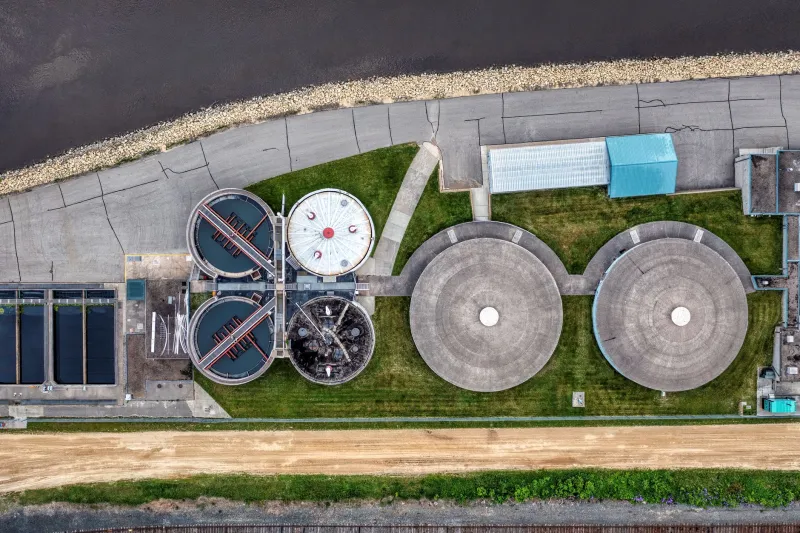
Extreme Weather Is Straining U.S. Water Systems — and Opening Doors for Environmental Professionals
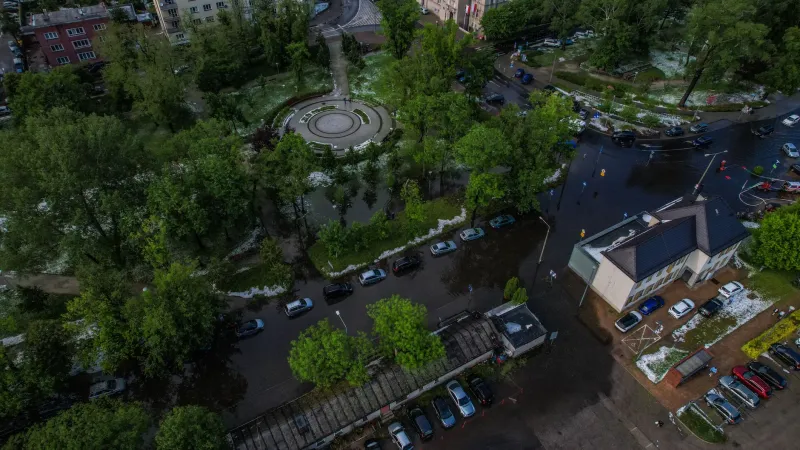
For most Americans, the connection between a flooded street and a wastewater treatment facility is not immediately obvious. But for the engineers, operators, and environmental planners who keep those facilities running, the relationship is direct and increasingly urgent. Across the United States, climate-driven weather extremes are exposing the limits of water infrastructure that was never designed to handle the conditions it now faces — and the investment required to close that gap is generating one of the most significant hiring cycles the industry has seen in a generation.
The Infrastructure Gap That Climate Is Forcing Open
The American Society of Civil Engineers gave the nation's wastewater infrastructure a D-plus in its 2021 Report Card for America's Infrastructure — a grade that reflects decades of deferred maintenance compounded by population growth, regulatory evolution, and now, climate pressure. The organization estimated that the sector faces a funding gap of more than $81 billion over the next two decades.
That figure predates the most severe impacts now being documented. In 2023 alone, the United States recorded 28 separate weather and climate disasters each exceeding $1 billion in damages, according to the National Oceanic and Atmospheric Administration. Many of those events directly damaged or overwhelmed water and wastewater systems. Combined sewer overflows during extreme rainfall events have contaminated waterways in cities from Louisville to Philadelphia. Prolonged drought conditions across Arizona, Nevada, and California have forced utilities to fundamentally rethink how they manage, recycle, and recharge their water supplies. Coastal systems in Florida, Louisiana, and the Carolinas face saltwater intrusion and storm surge damage that was, until recently, considered a distant concern.
The practical result is that municipalities cannot defer the work any longer. They are building, upgrading, and — critically — hiring.
Federal Funding Is Accelerating the Timeline
The Infrastructure Investment and Jobs Act, signed into law in November 2021, allocated $55 billion specifically to water and wastewater infrastructure — the largest federal investment in this sector in U.S. history. That funding is now flowing through the Environmental Protection Agency's State Revolving Fund programs, the USDA's Rural Development water programs, and direct grants to municipalities and water authorities.
The Inflation Reduction Act added further investment in climate resilience projects, including water recycling and drought mitigation programs concentrated in the western states. The EPA's Water Infrastructure Finance and Innovation Act program has seen application volume increase substantially as utilities seek low-interest financing for large capital projects.
The combined effect is a capital expenditure wave that is reaching project implementation stages across the country. Capital projects require engineers to design them, operators to commission them, environmental scientists to assess their impacts, and program managers to keep them on schedule and within budget. Each of those roles represents a job opening.
Which Regions and Specializations Are Seeing the Most Demand
The hiring surge is not evenly distributed, and understanding the regional picture matters for professionals considering relocation or specialization.
The Southwest and Mountain West are experiencing some of the most acute demand, driven by drought conditions and the urgent need for water reuse and recycling infrastructure. Arizona, Nevada, Colorado, and New Mexico are all expanding or planning advanced water reclamation facilities. Engineers with expertise in membrane bioreactor technology, indirect potable reuse, and aquifer storage and recovery are particularly sought after in these markets.
The Gulf Coast and Southeast face a different but equally pressing set of challenges: hurricane resilience, flooding capacity, and the rehabilitation of aging combined sewer systems. Louisiana, Florida, and Texas utilities are investing heavily in infrastructure hardening and green stormwater infrastructure — work that requires civil and environmental engineers as well as experienced construction and operations staff.
The Great Lakes Region and Upper Midwest are grappling with aging infrastructure that was built to serve manufacturing economies that have since contracted, leaving systems that are both physically deteriorating and financially stressed. Federal funding is helping close the gap, and utilities in cities such as Detroit, Cleveland, and Milwaukee are in active hiring phases for both operations and capital projects staff.
Coastal Northeast communities are advancing sea-level rise adaptation projects that require environmental planners, coastal engineers, and regulatory specialists who understand both the technical and permitting dimensions of working in sensitive coastal zones.
Across all regions, several specializations are seeing outsized demand: nutrient removal process engineering, PFAS treatment and compliance, biosolids management, asset management and GIS, and climate resilience planning. Professionals who can combine operational experience with any of these technical competencies are exceptionally well positioned.
The Numbers Behind the Opportunity
The Bureau of Labor Statistics projects employment for environmental engineers to grow 6 percent through 2032 — faster than the average for all occupations. Water and wastewater treatment plant operators are projected to see steady demand driven by retirements as well as system expansions. The U.S. Water Alliance has estimated that the water sector will need to fill approximately 40,000 new positions annually over the next decade to replace retiring workers and support infrastructure growth.
Private-sector consulting and construction firms are also expanding their water practice groups in response to the surge in municipal capital projects. Burns & McDonnell, Jacobs, AECOM, and Stantec, among others, have all publicly referenced water infrastructure investment as a growth area in recent years. For professionals who prefer the private sector, engineering and environmental consulting firms represent a parallel hiring market that is growing alongside public utilities.
How Professionals Can Position Themselves Now
Understanding that the opportunity exists is only the first step. Translating that knowledge into career action requires deliberate preparation.
Develop climate fluency. Professionals who can speak credibly about climate risk assessment, resilience planning, and adaptive infrastructure design have a meaningful advantage in project interviews and hiring processes. Resources from NOAA, the EPA's Climate Adaptation Science Centers, and the Water Research Foundation offer accessible entry points for deepening this knowledge.
Pursue relevant technical certifications. Credentials in water reuse, PFAS treatment, or green infrastructure design signal specialized competency in areas where municipalities are actively seeking expertise. State operator licensing at higher classification levels also remains a reliable differentiator in operations-focused roles.
Engage with federal funding processes. Many of the largest infrastructure projects now underway are funded through federal programs that carry specific compliance and reporting requirements. Professionals who understand State Revolving Fund requirements, EPA grant conditions, or federal environmental review processes are valuable to both public agencies and consulting firms navigating those frameworks.
Monitor regional capital programs. Most state environmental agencies and large water authorities publish multi-year capital improvement plans. Reviewing these documents — publicly available in most states — provides advance visibility into where projects are heading and what staffing they will require.
A Long-Term Structural Shift
The hiring opportunity created by climate-driven infrastructure investment is not a short-term spike. The physical changes underway — rising temperatures, shifting precipitation patterns, sea-level rise — will continue to place stress on water systems for decades. The federal funding now in motion will fund projects that take years to design, permit, and build. And the workforce retirements already reshaping the industry will continue to create openings at every level.
For environmental and wastewater professionals willing to develop the skills and regional awareness this moment demands, the current environment represents something rare: a structural alignment between urgent public need, available funding, and genuine career opportunity. The flow is moving in a clear direction — and it is worth getting ahead of it.