When Aging Pipes Become Career Ladders: How Infrastructure Crises Are Accelerating Promotions for Operators
The American Society of Civil Engineers has been issuing its Infrastructure Report Card for decades, and the grades for drinking water and wastewater systems have never inspired celebration. Buried beneath the streets of nearly every major metropolitan area—and beneath countless rural routes as well—lies a network of pipes, pumps, blowers, and clarifiers that were engineered to last forty years and have now been running for sixty. The consequences of that arithmetic are playing out in control rooms, maintenance bays, and emergency response calls across the country.
For experienced managers and utility directors, the capital replacement cycle represents a budget crisis, a regulatory liability, and a logistical headache of the first order. For younger operators paying attention, it represents something else entirely: an unusually compressed path to advancement.
The Mathematics of Deferred Maintenance
The U.S. Environmental Protection Agency estimates that the nation's water and wastewater infrastructure requires trillions of dollars in investment over the next two decades to reach a state of good repair. Much of that investment will fund the replacement of assets that utilities have been nursing along through creative maintenance, temporary fixes, and optimistic inspection reports.
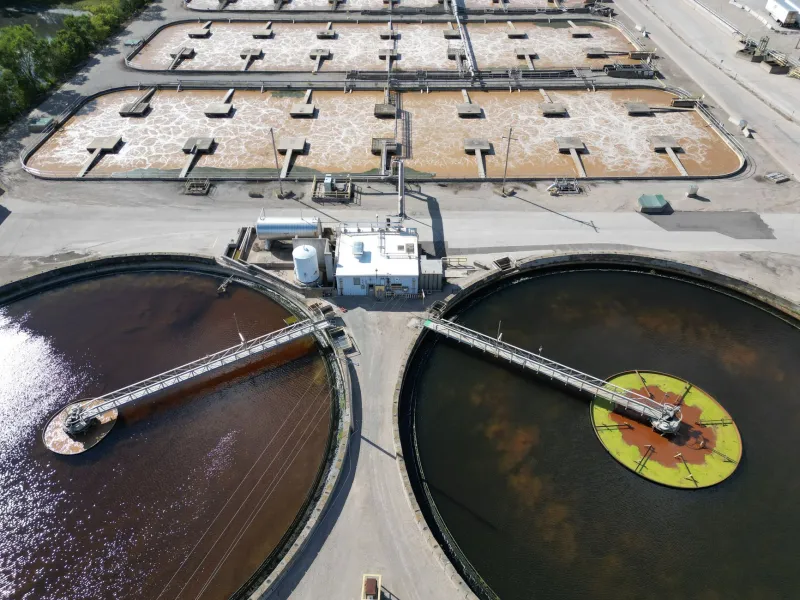
When a primary clarifier fails unexpectedly, or when a forty-year-old blower system begins throwing error codes faster than technicians can diagnose them, utilities face an immediate staffing reality: someone needs to manage the response, coordinate the contractors, document the incident, and keep the plant in compliance while the chaos unfolds. That someone is often whoever demonstrated competence during the last crisis—regardless of their years of service or position on the organizational chart.
This is the informal mechanism through which infrastructure emergencies generate promotions.
The Compressed Timeline in Practice
Operators who advanced quickly in recent years frequently describe a pattern that begins with a crisis and ends with a title change. A pump station operator who responded calmly and effectively during a wet-weather overflow event found herself supervising the remediation crew within weeks and was offered a lead operator position before the year was out. A maintenance technician who diagnosed a catastrophic bearing failure on a critical aeration blower—averting a compliance violation—was brought into capital planning meetings that had previously been attended only by department heads.
These are not isolated anecdotes. They reflect a structural reality: utilities managing aging assets are operating with thin margins for error, and the individuals who demonstrate sound judgment under pressure become indispensable faster than the organizational hierarchy would normally allow.
At facilities where the average equipment age exceeds thirty years, the pace of emergency response work essentially functions as an accelerated leadership training program. Operators learn procurement basics, contractor management, emergency documentation, and regulatory communication not through formal coursework but through necessity.
Which Facilities Offer the Fastest Advancement
Not every utility presents the same opportunity. Candidates seeking accelerated career growth should evaluate prospective employers with infrastructure age and capital replacement activity in mind.
Facilities that were built during the 1960s and 1970s construction boom—which describes a significant share of the municipal treatment plants currently in operation—are entering or already deep into their replacement cycles. Secondary treatment systems, sludge handling equipment, and collection system infrastructure at these plants are often operating beyond their design life. Utilities that have recently received State Revolving Fund loans, EPA grants, or infrastructure funding through federal programs are likely to be managing significant capital projects over the next three to five years.
Smaller systems, paradoxically, can offer steeper advancement curves than large metropolitan utilities. A mid-size facility with a staff of twelve has fewer layers of management between an entry-level operator and a supervisory role. When one person retires and another is consumed by a capital project, the remaining staff absorb responsibilities quickly. The organizational flatness that can feel limiting in stable times becomes an accelerant during crisis periods.
Regions that have historically underfunded infrastructure—portions of the Midwest, the industrial Northeast, and mid-Atlantic states with legacy combined sewer systems—tend to cluster facilities with the most urgent replacement needs. Job seekers willing to relocate for opportunity should research capital improvement plans, which are typically public documents, before accepting offers.
The Skills That Turn Emergencies Into Advancement
Raw technical competence is necessary but not sufficient. Operators who convert infrastructure crises into career advancement consistently demonstrate a specific combination of capabilities that goes beyond mechanical aptitude.
Documentation discipline is critical. During an equipment failure or an emergency bypass event, the operator who is simultaneously managing the physical situation and maintaining accurate logs is demonstrating exactly the kind of dual-track thinking that supervisory roles require. Regulators, managers, and attorneys all depend on that documentation. The operator who produces it reliably under pressure is one that leadership notices.
Communication across organizational levels matters equally. Translating a technical equipment failure into language that a city manager or a public works director can act on is a skill that separates operators who stay in the field from those who move into management. Practicing that translation—even informally, even in after-action conversations—builds a reputation that persists.
Finally, a willingness to engage with capital planning processes—attending project meetings, reviewing scope documents, providing operator input on equipment specifications—signals to leadership that an individual is thinking beyond the current shift. Utilities in active replacement cycles need operators who understand both the operational reality and the long-term investment logic. Those who can bridge both worlds become difficult to overlook.
A Genuine Window of Opportunity
The infrastructure replacement cycle that is straining utility budgets across the United States will not last forever. Over the next ten to fifteen years, as federal funding flows through and capital projects are completed, the acute crisis phase will gradually give way to a more stable operational environment. The operators who are positioned inside these facilities during the peak replacement years—who manage the emergencies, lead the contractor coordination, and build their supervisory track records during the chaos—will emerge from that period with credentials and experience that simply cannot be manufactured in a stable environment.
For operators early in their careers, the message is direct: the facilities that look most stressful on paper may be precisely the ones where careers advance fastest. Infrastructure crises are disruptive. They are also, for those who engage them strategically, genuinely transformative.